- 글번호
- 910355
Faces of Violence
- Writer
- 몸문화연구소
- View
- 181
- Date
- 2018.06.01
- 수정일
- 2024.04.03
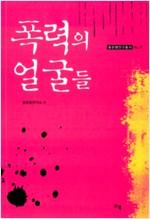
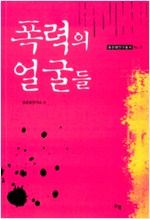
Series Book – Faces of Violence
To address the matter of violence, the Institute of Body and Culture therefore published
a series book, Faces of Violence―where researchers had held a monthly colloquium on
the subject of violence for a year and gathered mature thoughts through two academic
conferences.
Part 1 takes a careful look at the nature of violence, putting Rene Girard's theory of violence
and Primo Levi's testimony project at the center of the discussion. Afterwards, Part 2 examines
the violence committed under the names of 'duty', 'caring', and 'love'―all belonging to the
so-called “family ideology”―and then looks into the nature of domestic violence through the
concept of ‘a continuous line of capacity building’. Afterwards, the chapter tells us about the
violence of mothers who have been recognized as victims or bystanders of domestic violence.
Next, discussing violence within schools, the third part of the book identifies the source of
youth violence in the relationship between self-education and identity, focuses on bullying within
girls' unique, relationship-based society, and then looks into the Korean government's various
legal policies to eradicate violence and their limitations. The fourth part explains ‘what makes
the neighbors truly neighbors’ by taking the “Indian bus rape incident” reported in December 2012,
and finally discusses the aesthetic behaviorism that blooms healthy in ‘the heterogeneous multitude’
of everyday life.
To address the matter of violence, the Institute of Body and Culture therefore published
a series book, Faces of Violence―where researchers had held a monthly colloquium on
the subject of violence for a year and gathered mature thoughts through two academic
conferences.
Part 1 takes a careful look at the nature of violence, putting Rene Girard's theory of violence
and Primo Levi's testimony project at the center of the discussion. Afterwards, Part 2 examines
the violence committed under the names of 'duty', 'caring', and 'love'―all belonging to the
so-called “family ideology”―and then looks into the nature of domestic violence through the
concept of ‘a continuous line of capacity building’. Afterwards, the chapter tells us about the
violence of mothers who have been recognized as victims or bystanders of domestic violence.
Next, discussing violence within schools, the third part of the book identifies the source of
youth violence in the relationship between self-education and identity, focuses on bullying within
girls' unique, relationship-based society, and then looks into the Korean government's various
legal policies to eradicate violence and their limitations. The fourth part explains ‘what makes
the neighbors truly neighbors’ by taking the “Indian bus rape incident” reported in December 2012,
and finally discusses the aesthetic behaviorism that blooms healthy in ‘the heterogeneous multitude’
of everyday life.